


Potty training your Border Terrier puppy is an essential step towards fostering a happy and healthy environment for both you and your new furry companion. This breed, known for its intelligence and spirited nature, requires a consistent approach to successfully learn where and when to relieve themselves. In this ultimate guide, we will explore the key aspects of how to potty train a Border Terrier puppy effectively, ensuring that you can enjoy a well-trained, happy pup for years to come. From establishing the basics to overcoming common challenges, let’s dive into the world of potty training!
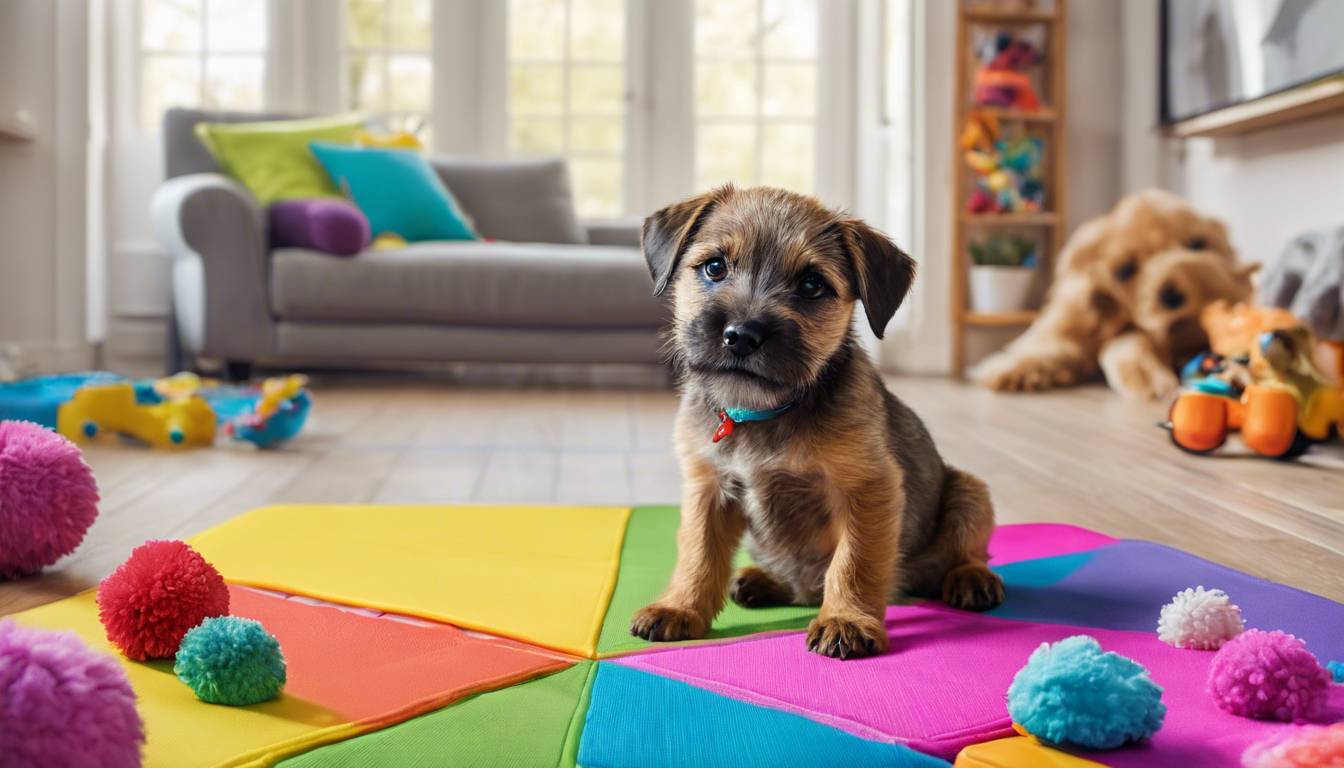
Key Takeaways
- Understand the basics of potty training to set a strong foundation for your Border Terrier puppy.
- Establish a consistent potty training schedule to create routine and predictability for your pup.
- Choose an appropriate location for potty training that minimizes distractions and encourages use.
- Utilize positive reinforcement techniques to reward your puppy and encourage desired behaviors.
- Be prepared to face common challenges and have strategies in place to maintain success beyond puppyhood.
Understanding the Basics of Potty Training
Potty training a Border Terrier puppy can be a rewarding yet challenging experience, requiring patience and consistency. To effectively teach your furry friend where and when to relieve themselves, it’s essential to establish a routine that mirrors their natural tendencies.
Start by taking your puppy outside frequently, especially after meals or naps, to gradually reinforce the concept that the outdoors is the designated area for bathroom breaks. Use positive reinforcement, such as treats and praise, immediately after they successfully go outside, which not only encourages good behavior but also strengthens your bond.
Additionally, be observant of their body language; signs like sniffing or circling may indicate they need to go out. Keeping a regular feeding schedule will also help streamline the potty training process.
Remember, accidents are part of learning, so maintain a calm demeanor and clean up promptly without scolding your puppy. With dedication and mindful training strategies, you’ll be able to successfully teach your Border Terrier puppy how to potty train and enjoy many happy moments together.
Setting a Potty Training Schedule
Setting a potty training schedule is crucial when learning how to potty train a Border Terrier puppy. Consistency is key, and establishing regular feeding times will help synchronize your puppy’s bathroom breaks. Start by taking your puppy outside first thing in the morning, after meals, and before bed.
Make sure to give them plenty of opportunities to go outside throughout the day, especially after playtime or naps. Use a specific command, such as ‘go potty,’ to help them associate the phrase with the action.
Keep a watchful eye on your pup indoors; watch for signs like sniffing around or circling, which indicate they need to relieve themselves. By adhering to a structured potty training schedule, you reinforce positive behavior and create a reliable routine that will make the process smoother for both you and your Border Terrier.
‘The greatest gift you can give your dog is a happy, healthy life, and the foundation of that happiness begins with proper training.’ – Unknown

Choosing the Right Location for Potty Training
Choosing the right location for potty training is a critical aspect of how to potty train a Border Terrier puppy effectively. When selecting a spot, consider a quiet, designated area that is easily accessible for both you and your puppy.
This location should be consistent, as puppies thrive on routine and familiarity, which helps them understand where they are expected to relieve themselves. Additionally, choose a place away from distractions that might divert your puppy’s attention, such as loud noises or other animals.
Having a clean, sanitary, and safe environment will not only make the process smoother but also encourage your Border Terrier to associate this area with potty time, reinforcing good habits and making your training efforts more successful.
Positive Reinforcement Techniques for Success
When it comes to learning how to potty train a Border Terrier puppy, positive reinforcement techniques play a essential role in shaping your puppy’s behavior effectively. Start by establishing a consistent routine where your puppy is taken outside frequently, especially after meals, playtime, and naps.
Whenever your puppy successfully eliminates outside, immediately reward them with praise or a small treat, creating a strong association between the desired behavior and the positive outcome.
This technique not only encourages your Border Terrier to go outside, but also fosters a trusting relationship based on positive experiences. Consistency is key; keep your training sessions regular and be patient, understanding that accidents can happen. Over time, with dedication and positive reinforcement, your Border Terrier puppy will learn what is expected, making the potty training process smoother.

Common Challenges and How to Overcome Them
Potty training a Border Terrier puppy can be a rewarding yet challenging process for any pet owner. To ensure a smooth experience, it’s essential to understand common challenges and how to overcome them. One major hurdle is the puppy’s natural inclination to explore and play instead of focusing on potty training.
To combat this, establish a consistent routine for bathroom breaks and reward your puppy with praise or treats every time they go outside. Additionally, accidents are almost inevitable during the training phase.
If your puppy has an accident indoors, avoid scolding them as this can create fear and confusion; instead, clean it up without fuss and reinforce positive behavior during outdoor successes. Another common issue is nighttime accidents which can disrupt both your puppy’s sleep and yours.
Implementing a strict bedtime routine and limiting water intake before bed can help minimize these occurrences. Lastly, patience is key; every puppy learns at their own pace, and the bond you create through positive reinforcement will ultimately lead to successful potty training.
By being aware of these challenges and employing effective strategies, you’ll be well-equipped to navigate the process of how to potty train a Border Terrier puppy.
Maintaining Long-Term Success Beyond Puppyhood
When it comes to how to potty train a Border Terrier puppy, the process doesn’t end once your furry friend masters the basics. Maintaining long-term success beyond puppyhood requires consistent training and reinforcement of good habits.
Start by establishing a routine that includes regular bathroom breaks during crucial times, such as after meals, playtime, or waking up in the morning. Employ positive reinforcement techniques—such as treats and praise—to encourage your puppy to eliminate outside. It’s also essential to watch for signs that your Border Terrier needs to go, like sniffing or circling.
Regular schedule adjustments as your puppy grows, combined with a steadfast commitment to monitoring their behavior, will help prevent any regression in potty training skills. By taking these proactive steps and fostering a positive environment, you can ensure your Border Terrier remains well-trained into adulthood.
Frequently Asked Questions
What is the best age to start potty training a Border Terrier puppy?
It’s generally recommended to start potty training a Border Terrier puppy between 12 weeks and 16 weeks of age. At this stage, they can better control their bladder and are more receptive to learning.
How often should I take my Border Terrier puppy outside for potty breaks?
Puppies usually need to go out every 1-2 hours, especially after eating, drinking, or waking up. Establishing a consistent schedule will help them learn when it’s time to go.
What are the best locations for potty training my Border Terrier puppy?
Choose a quiet and specific area outside where you’d like your puppy to do their business. Make sure it’s easily accessible and consistent to help them associate the spot with potty time.
What positive reinforcement techniques work best for potty training?
Using treats, praise, and affection immediately after your puppy goes potty in the right place are effective reinforcement techniques. Make sure to reward them right away to strengthen the association.
How can I deal with common potty training challenges?
If your puppy has accidents indoors, remain calm and avoid punishment; instead, increase supervision and take them out more frequently. Creating a routine and being patient are key to overcoming challenges.


