


Potty training a puppy is an essential step in fostering a well-behaved pet and a harmonious home environment. If you’ve recently welcomed a Chesapeake Bay Retriever puppy into your family, you might be wondering how to effectively guide them through this important phase. Known for their intelligence and eagerness to please, Chesapeake Bay Retrievers—often lovingly referred to as ‘Chessies’—can learn the ropes of potty training relatively quickly with the right approach. In this article, we’ll explore crucial strategies on how to potty train a Chesapeake Bay Retriever puppy, ensuring success while deepening your bond with your new furry friend.
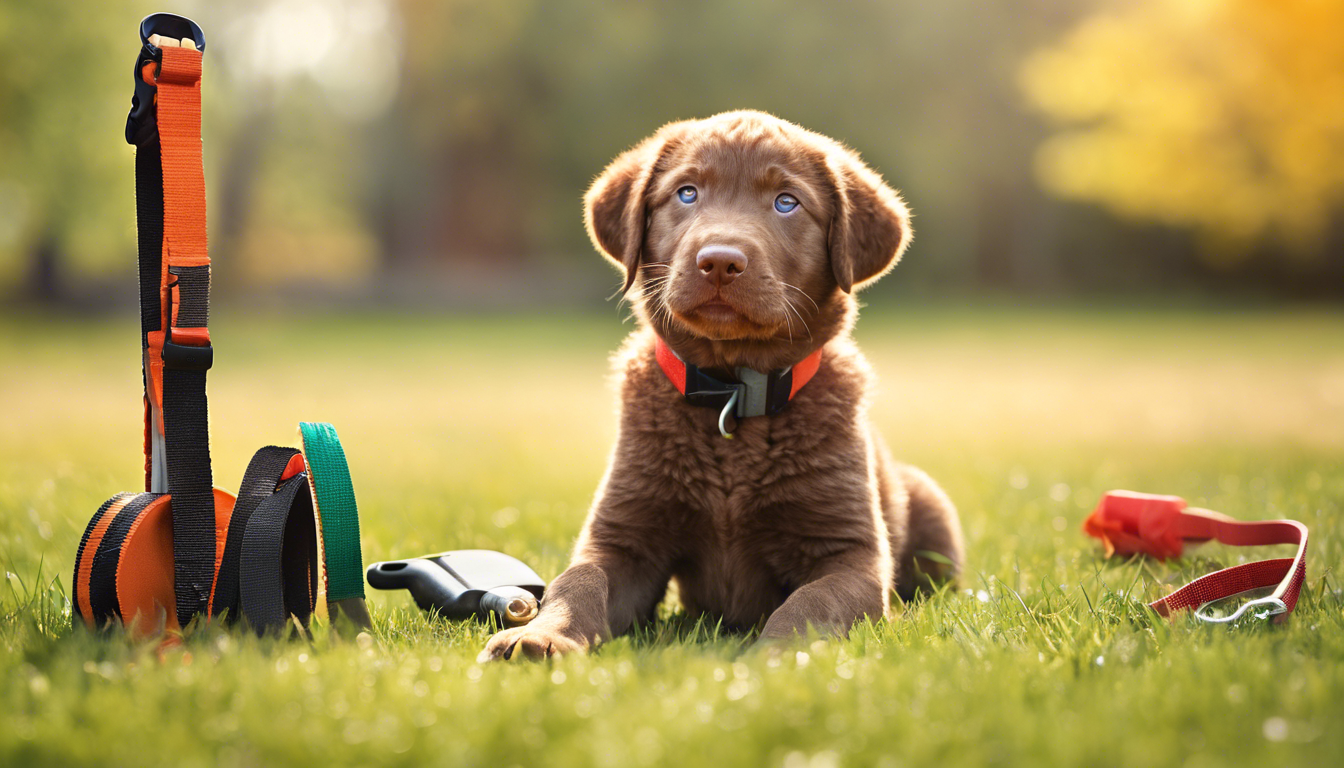
Key Takeaways
- Recognizing your Chesapeake Bay Retriever’s unique needs is crucial for effective potty training.
- Establishing a consistent schedule is key to reinforcing good potty habits in your puppy.
- Understanding the signs that indicate your puppy needs to go will help prevent accidents indoors.
- Positive reinforcement techniques, like treats and praise, motivate your puppy to follow potty training rules.
- Preparing for common challenges in potty training can make the transition smoother for both you and your puppy.
Understanding Your Chesapeake Bay Retriever’s Needs
Understanding your Chesapeake Bay Retriever’s needs is essential for effective training, particularly when it comes to how to potty train a Chesapeake Bay Retriever puppy. These intelligent and energetic dogs require clear guidance and consistent routines, which are crucial during the potty training phase.
Start by establishing a regular schedule for potty breaks, as puppies thrive on predictability. Take your Chesapeake Bay Retriever puppy outside frequently, especially after meals, playtime, and naps, to instill good habits early on.
Positive reinforcement, such as treats and praise, can be incredibly motivating for your puppy, helping them associate going outside with positive outcomes. Patience is key, as accidents may happen, but understanding their needs and providing a structured environment will make the process smoother for both you and your puppy.
Setting Up a Consistent Potty Training Schedule
Setting up a consistent potty training schedule is crucial when learning how to potty train a Chesapeake Bay Retriever puppy. Establishing a routine helps your puppy understand when and where it’s appropriate to relieve themselves, making the entire process smoother for both of you.
Start by taking your puppy outside first thing in the morning, after meals, and before bedtime. Also, consider taking them out every couple of hours during the day, especially after they wake up from naps or have been playing.
Consistency is key; always use the same spot outdoors so your puppy begins to associate that area with going potty. Reinforce successful outings with praise and treats to create positive reinforcement, reinforcing their good behavior and encouraging them to continue the habit. With patience and persistence, adhering to a consistent schedule is one of the most effective strategies in how to potty train a Chesapeake Bay Retriever puppy.
‘The greatness of a nation and its moral progress can be judged by the way its animals are treated.’ – Mahatma Gandhi

Recognizing Signs Your Puppy Needs to Go
Potty training a Chesapeake Bay Retriever puppy involves understanding their unique behaviors and recognizing the signs they need to go outside. Common signs include sniffing around, circling, whimpering, or pacing, which indicate that your puppy is ready for a bathroom break.
When starting the process of how to potty train a Chesapeake Bay Retriever puppy, it’s crucial to observe these cues and respond promptly to prevent accidents. The key is consistent reinforcement; when you take your puppy outside after noticing these signs, immediately reward them with praise or treats when they relieve themselves in the designated spot.
This positive association helps them learn that going outside is the right place to do their business. Remember, patience and attentiveness are essential components of successful potty training.
Using Positive Reinforcement Techniques
When it comes to mastering the art of training your furry friend, particularly in understanding how to potty train a Chesapeake Bay Retriever puppy, employing positive reinforcement techniques can make a significant difference.
These intelligent and eager-to-please dogs respond well to encouragement and rewards, making them ideal candidates for this method. Start by establishing a consistent schedule for bathroom breaks, taking your puppy outside frequently, especially after meals and naps.
When your Chesapeake successfully relieves itself outdoors, immediately praise them enthusiastically and offer a small treat. This reinforces the desired behavior and helps them associate going potty in the right place with positive outcomes. Additionally, be patient and avoid negative reactions if accidents occur; instead, clean up messes thoroughly and redirect your puppy to the appropriate outdoor potty spot next time.
Utilizing positive reinforcement not only enhances the training experience but also strengthens the bond between you and your puppy, ensuring a happy and well-trained Chesapeake Bay Retriever.

Common Challenges and How to Overcome Them
Potty training a Chesapeake Bay Retriever puppy can be a rewarding yet challenging experience for any pet owner. One common challenge is the puppy’s tendency to get easily distracted by their surroundings, which can lead to accidents indoors.
To overcome this, establish a consistent routine for bathroom breaks, taking your puppy outside at regular intervals, especially after meals and playtime. Another issue is the puppy’s natural instinct to mark their territory.
To combat this, it’s crucial to keep a close eye on your puppy indoors, and redirect them outside when they show signs of needing to go. Consistent positive reinforcement, including treats and praise when they go potty outside, will help cement the behavior.
Additionally, consider using a crate during the training process, as it can encourage your puppy to hold it until they get outside. Remember, patience and consistency are key when learning how to potty train a Chesapeake Bay Retriever puppy.
Transitioning from Indoor to Outdoor Potty Training
Transitioning from indoor to outdoor potty training is a critical phase when learning how to potty train a Chesapeake Bay Retriever puppy. This breed is known for its intelligence and eagerness to please, which can be advantageous during the training process.
Start by establishing a consistent indoor routine that includes specific times for potty breaks. Once your puppy is accustomed to using designated indoor potty areas, gradually introduce outdoor training.
Create a designated outdoor potty area and take your puppy there regularly, especially after meals and playtime. Use positive reinforcement—such as treats and praise—whenever they relieve themselves outside. By maintaining a consistent schedule and recognizing their signals, you’ll help them understand where it’s appropriate to go, making the transition from indoor to outdoor potty training smooth and effective.
Frequently Asked Questions
What is the best age to start potty training my Chesapeake Bay Retriever puppy?
It’s recommended to start potty training your Chesapeake Bay Retriever puppy as soon as you bring them home, typically around 8 weeks of age.
How often should I take my puppy out for bathroom breaks?
You should take your puppy out every 1-2 hours during the day, especially after meals, playtime, and naps, to help them learn where it’s appropriate to go.
What signs should I look for to know my puppy needs to go outside?
Common signs include sniffing, circling, whining, or scratching at the door. Pay attention to these cues to prevent accidents.
What are effective positive reinforcement techniques for potty training?
Use treats, praise, and affection immediately after your puppy goes potty outside to reinforce the desired behavior and encourage them to repeat it.
How can I transition my puppy from indoor to outdoor potty training?
Gradually move your puppy’s potty area further away from your home and reward them for going outside. Consistency is key during this transition.


