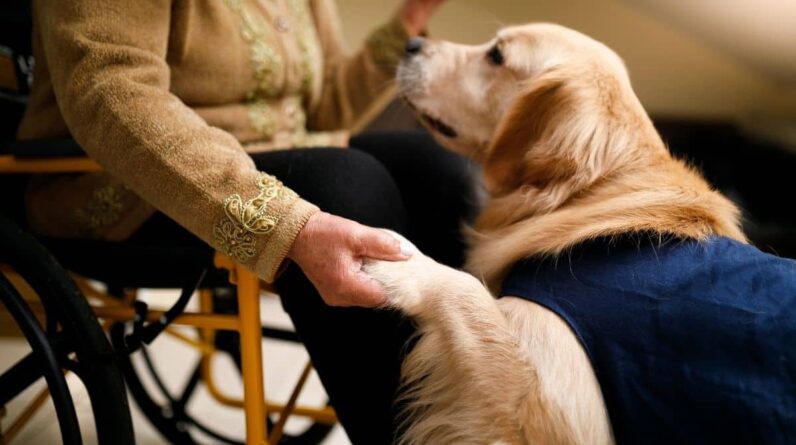
Introduction to Pet Therapy
[stoc]
Definition and Benefits of Pet Therapy
Pet therapy, also known as animal-assisted therapy, is a therapeutic approach that incorporates animals, particularly dogs, into treatment plans to improve an individual’s physical, mental, and emotional well-being. Numerous studies have shown pet therapy’s various benefits, including reducing stress, anxiety, and depression, improving social skills, encouraging communication, and even enhancing physical health by lowering blood pressure and improving cardiovascular health.
The Role of Dogs in Pet Therapy
Dogs, with their friendly and intuitive nature, often play a leading role in pet therapy. They provide comfort, help people learn empathy and compassion, and even perform tasks for individuals with disabilities. The bond between humans and dogs can trigger a release of endorphins, promoting a state of calm and well-being.
Brief Overview of Dog Breeds Suitable for Pet Therapy
While all dogs could potentially be therapy dogs, certain breeds are known for their suitability due to their temperament. Breeds such as Labrador Retrievers, Golden Retrievers, Poodles, Beagles, and even small breeds like Cavalier King Charles Spaniels, are often seen in the role of therapy dogs. But remember, a dog’s individual personality and training are more important than its breed!
Importance of Training Your Dog for Pet Therapy
The Necessity for Proper Training
To be a successful therapy dog, your furry friend must undergo the necessary training to ensure they are well-behaved, confident, and comfortable in a variety of situations. Remember, they will be interacting with individuals in different environments, each with their own unique needs.
Different Roles a Therapy Dog Can Perform
Therapy dogs perform various roles depending on the needs of the individuals they serve. For instance, they may be asked to provide comfort to people in hospitals, nursing homes, and schools, or assist in physical rehabilitation by encouraging patients to move and stretch. They also play an essential role in mental health therapy by offering unconditional love and companionship.
The Positive Impacts a Therapy Dog Can Make
The impacts of a therapy dog are remarkable. They can bring about a positive shift in mood, instill a sense of companionship, and even improve the overall quality of life for those they serve. This is not only beneficial for the individuals receiving therapy, but it also brings immense satisfaction to the dog and the handler.
Evaluating If Your Dog Is Suitable for Pet Therapy
Key Characteristics a Therapy Dog Should Possess
A good therapy dog should be calm, patient, confident, and sociable. They should also be comfortable with human touch and unfamiliar situations. They should exhibit no aggressive behaviors and should be able to obey commands promptly.
Factors to Consider Like Breed, Age, Temperament, and Health Status
While breed can guide expectations, the individual dog’s temperament and training are more crucial in determining suitability for therapy work. Age is another factor – dogs shouldn’t be too young or too old. They should also be in good health to withstand the physical demands of the job.
Professional Assessment of Your Dog for Pet Therapy Suitability
Consider getting a professional assessment from a certified dog trainer or a therapy dog organization. They can identify potential issues and suggest remedial training measures.
Basic Obedience Training
Importance of Basic Obedience Training for Therapy Dogs
Your dog needs to master basic obedience skills. These include responding to basic commands like “sit,” “stay,” “come,” “down,” and “leave it.”
Detailed Steps on How to Train Your Dog for Basic Commands
Training your dog begins with patience and consistency. Start by picking one command at a time. Use a reward system (treats, praise, or play) to reinforce positive behavior.
Useful Tools and Techniques for Obedience Training
Clicker training is a useful technique for teaching obedience. The clicker signals to your dog that they’ve done something right and that a reward is coming. Other tools include training leashes and treats.
Socialization and Desensitization Training
The Significance of Early and Ongoing Socialization
Socialization is crucial in raising a balanced and confident dog. This process involves introducing your dog to different people, animals, environments, and sounds in a positive and controlled way.
Practical Methods for Introducing Your Dog to Various Environments, People, and Other Animals
Start by introducing your dog to calm and quiet environments, gradually working your way up to busier, louder places. Let your dog interact with different people and animals under supervision to ensure they remain comfortable and confident.
Effective Desensitization Techniques for Dealing with Unusual Noises, Movements, or Equipment
Desensitization involves gradual exposure to stimuli that may initially cause fear or anxiety in your dog. Start with a low level of the stimulus, rewarding your dog for remaining calm, and gradually increase the level over time.
Advanced Therapy Dog Training
Tailoring Your Training for Specific Therapy Settings
Your dog needs to be comfortable in different therapy settings, such as hospitals, nursing homes, and schools. Gradually introduce your dog to these environments and help them get accustomed to the various sounds, smells, and activities they might encounter.
Training Your Dog to Comfort and Interact with Individuals of All Ages
Teach your dog to interact gently with people, including those who may behave unpredictably due to illness or disability. Reward calm and appropriate interactions.
Importance of Regular Practice and Continuous Learning
Consistent practice and ongoing learning are crucial for a therapy dog. Regular training sessions, even after your dog is certified, will help them stay sharp and ready for therapy work.
Getting Your Dog Certified as a Therapy Dog
Steps to Get Your Dog Certified as a Therapy Dog
Certification usually involves passing a test conducted by a recognized therapy dog organization. The test often includes an evaluation of basic obedience skills and the dog’s behavior in various situations.
Recognized Organizations That Offer Therapy Dog Certification
Some recognized organizations include Therapy Dogs International, Pet Partners, and the American Kennel Club’s Canine Good Citizen program. It’s important to choose a reputable organization for certification.
What to Expect During a Therapy Dog Test
Tests usually involve evaluating how well your dog can handle being around medical equipment, unfamiliar people, and other animals. They’ll also check your dog’s reaction to loud noises and sudden movements.
The Role of the Handler in Pet Therapy
The Handler’s Responsibilities and Duties
Handlers guide and monitor the therapy dog during sessions, ensuring the safety and comfort of both the dog and the person receiving therapy.
Building a Strong Handler-Dog Relationship
A strong bond between the handler and the dog is crucial. This involves trust, understanding, and effective communication.
Handler’s Training and Certification Process
Handlers also need to be trained and certified, usually by the same organization that certifies the dog. They need to learn how to guide their dogs effectively and understand the protocols involved in therapy sessions.
Tips and Tricks to Succeed in Therapy Dog Training
Techniques for Maintaining Your Dog’s Motivation and Enthusiasm
Keep training sessions short, fun, and rewarding. Use high-value treats, lots of praise, and favorite toys as rewards.
Dealing with Training Challenges and Setbacks
Challenges and setbacks are part of the training process. If you’re facing issues, consider seeking advice from professional trainers or experienced therapy dog handlers.
Ensuring the Health and Well-being of Your Therapy Dog
Your therapy dog’s physical and mental health is paramount. Regular vet check-ups, a balanced diet, adequate exercise, and plenty of rest are crucial.
Conclusion
Summary of Key Points
Training a dog for therapy work is a rewarding process that requires patience, consistency, and dedication.
Encouragement for Prospective Therapy Dog Trainers
With the right approach and mindset, you and your furry friend could make a real difference in people’s lives.
Potential Impacts of Therapy Dogs on Individuals and Communities
Therapy dogs can bring joy, comfort, and healing to individuals, ultimately creating happier, healthier communities.
References and Further Resources
Suggested Books, Websites, and Online Communities for Further Learning
There are plenty of resources out there to help you on your journey, such as the book “Therapy Dogs: Training Your Dog to Reach Others” by Kathy Diamond Davis, websites like the American Kennel Club, and online communities on social media platforms.
Links to Reputable Therapy Dog Organizations
Reputable organizations include Therapy Dogs International, Pet Partners, and the American Kennel Club’s Canine Good Citizen program.
Testimonials from Therapy Dog Handlers and Recipients of Pet Therapy
Reading testimonials from experienced handlers and recipients of pet therapy can provide valuable insights and inspiration.
FAQs
1. Can any breed of dog become a therapy dog?
Yes, any breed can potentially become a therapy dog. However, the dog’s temperament, training, and overall health are the most important factors.
2. How long does it take to train a therapy dog?
It varies depending on the dog and the handler. However, expect to spend several months on basic obedience and socialization, then several more on specific therapy dog training.
3. What’s the difference between a therapy dog and a service dog?
A service dog is trained to perform specific tasks for a person with a disability. A therapy dog, on the other hand, is trained to provide comfort and affection to various people in settings like hospitals, nursing homes, and schools.