


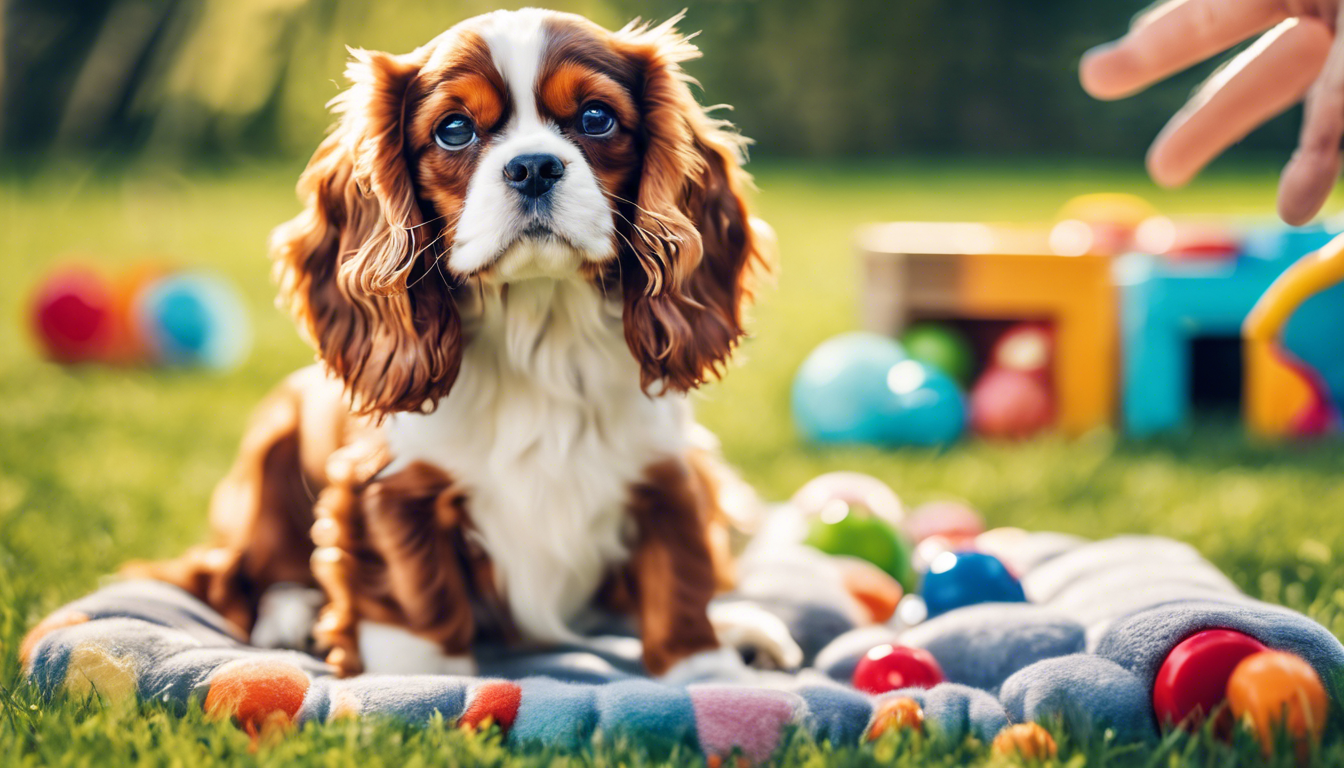
Potty training your Cavalier King Charles Spaniel puppy can be both an exciting and challenging experience. As one of the most beloved toy breeds, Cavaliers are known for their friendly demeanor and affectionate nature, making them fantastic family pets. However, when it comes to potty training, patience and understanding are key to success. In this article, we will provide you with expert tips on how to potty train a Cavalier King Charles Spaniel puppy effectively. From establishing a reliable routine to using positive reinforcement techniques, you’ll learn everything you need to create a smooth transition for your puppy into the world of being house-trained.
Key Takeaways
- Establishing a consistent routine is crucial for effective potty training.
- Choosing the right potty spot helps signal to your puppy where to relieve themselves.
- Positive reinforcement encourages good potty habits and builds trust with your puppy.
- Being aware of common challenges can prepare you for potential setbacks in training.
- Knowing when to seek professional help ensures your puppy gets the support they need for successful potty training.
Understanding the Basics of Potty Training
Potty training a puppy, especially a Cavalier King Charles Spaniel, can sometimes feel like a daunting task, but understanding the basics can make the process smoother and more effective.
Start by establishing a consistent schedule that includes frequent bathroom breaks, especially after meals, playtime, or naps. Cavaliers are intelligent and eager to please; therefore, using positive reinforcement, such as treats and praise when your puppy goes outside, reinforces desired behavior.
It’s essential to watch for signs that your pup needs to go, like sniffing or circling, and lead them outside promptly. Remember that patience is key; accidents will happen, but with consistency and kindness, you will successfully learn how to potty train a Cavalier King Charles Spaniel puppy in no time.
Setting a Consistent Routine for Your Puppy
Setting a consistent routine for your puppy is crucial when learning how to potty train a Cavalier King Charles Spaniel puppy. Establishing a regular schedule for feeding, playtime, and bathroom breaks helps your puppy understand when and where it is appropriate to eliminate.
Start by taking your puppy outside first thing in the morning, after meals, and before bedtime. These consistent intervals will aid in reinforcing good potty habits. Remember to use positive reinforcement, such as treats and praise, immediately after your puppy goes outside, which encourages them to repeat the behavior.
Additionally, keeping a close eye on your puppy indoors will help you catch any signs that they need to go out, further enhancing the potty training process. Ultimately, a consistent routine not only establishes good habits but also strengthens the bond between you and your Cavalier King Charles Spaniel.
‘Training a dog is not just about behavior; it’s about forming a bond and understanding each other.’ – Unknown

Choosing the Right Potty Spot
When it comes to how to potty train a Cavalier King Charles Spaniel puppy, one of the most crucial steps is choosing the right potty spot. This choice can significantly influence the effectiveness of your training efforts.
Look for a designated area in your yard that is quiet, private, and away from the hustle and bustle of everyday activity. This space should be easily accessible for your puppy, as consistency is key. Establishing a routine where you take your puppy to this spot at regular intervals—after meals, playtime, and naps—will help reinforce the idea that this is their designated bathroom area.
Additionally, ensure that the spot is correctly marked with scents that attract your puppy, as this will help them recognize it as their potty place, making the training process smoother and more successful.
Positive Reinforcement Techniques for Success
When considering how to potty train a Cavalier King Charles Spaniel puppy, employing positive reinforcement techniques proves to be an effective approach that encourages good behavior.
These affectionate dogs are known for their eagerness to please, so using rewards such as treats or verbal praise can facilitate the potty training process significantly. Start by establishing a regular schedule for potty breaks, taking your puppy out after meals, playtime, and first thing in the morning.
When your puppy successfully goes in the designated area, immediately reward them to reinforce this positive behavior. Be sure to remain patient and consistent; accidents may happen, but it’s important to avoid punishment as it can lead to fear and confusion. Instead,
focus on redirecting your puppy to the appropriate behavior with encouragement. In time, your Cavalier King Charles Spaniel will associate going outside with positive outcomes, making potty training not only successful but also a delightful bonding experience.

Common Challenges and How to Overcome Them
Potty training a Cavalier King Charles Spaniel puppy can be a rewarding yet challenging task for new pet owners. One common challenge lies in the puppy’s natural inclination to explore their surroundings rather than focus on bathroom habits.
To effectively teach your puppy where to relieve themselves, establish a consistent routine that includes taking them outside frequently—especially after meals and nap times. Additionally, patience and positive reinforcement are key elements of successful training. When you catch your puppy in the act of eliminating indoors, gently redirect them outside, and when they go in the correct spot, shower them with praise and treats.
This will not only reinforce good behavior but also strengthen your bond with your pup. By understanding these challenges and employing these strategies, you can navigate the potty training process with greater ease and effectiveness.
When to Seek Professional Help for Potty Training Issues
Potty training a cavalier king charles spaniel puppy can be a rewarding yet challenging task for many pet owners. While most puppies are able to adapt to their bathroom routine with patience and consistency, there are times when seeking professional help becomes necessary.
If you find that despite your best efforts, your puppy is having frequent accidents in the house, shows signs of fear or anxiety around potty time, or if they are older and still not potty trained, it may be time to consult a dog trainer or veterinarian.
Additionally, if your cavalier exhibits stubbornness or refuses to go outside, a professional can provide tailored strategies and support for effective potty training. Remember, ensuring your puppy’s comfort and security is key, and professional guidance can make this process smoother.
Whether you are a first-time puppy owner or have experience, knowing when to reach out for help can significantly ease the potty training journey for both you and your cavalier.
Frequently Asked Questions
What is the best age to start potty training my Cavalier King Charles Spaniel puppy?
It’s recommended to start potty training your Cavalier King Charles Spaniel puppy as early as 8 weeks old. At this age, puppies are generally capable of learning basic commands and routines.
How often should I take my puppy outside for potty breaks?
You should take your Cavalier King Charles Spaniel puppy outside every 1-2 hours, especially after meals, playtime, or naps. Consistency is key in helping them learn where to go.
What are some effective positive reinforcement techniques for potty training?
Effective positive reinforcement techniques include giving verbal praise, using treats when your puppy goes potty outside, and creating a special celebration for successful potty trips to help them associate going outside with positive experiences.
What should I do if my puppy has an accident indoors?
If your puppy has an accident indoors, calmly clean it up without punishing them. Use an enzymatic cleaner to eliminate odors, which can help prevent repeat accidents in the same spot.
When should I consider seeking professional help with potty training?
Consider seeking professional help if your puppy is consistently having accidents indoors despite your best efforts for 4-6 weeks, showing signs of anxiety or fear during potty breaks, or if you have additional concerns about their behavior.


